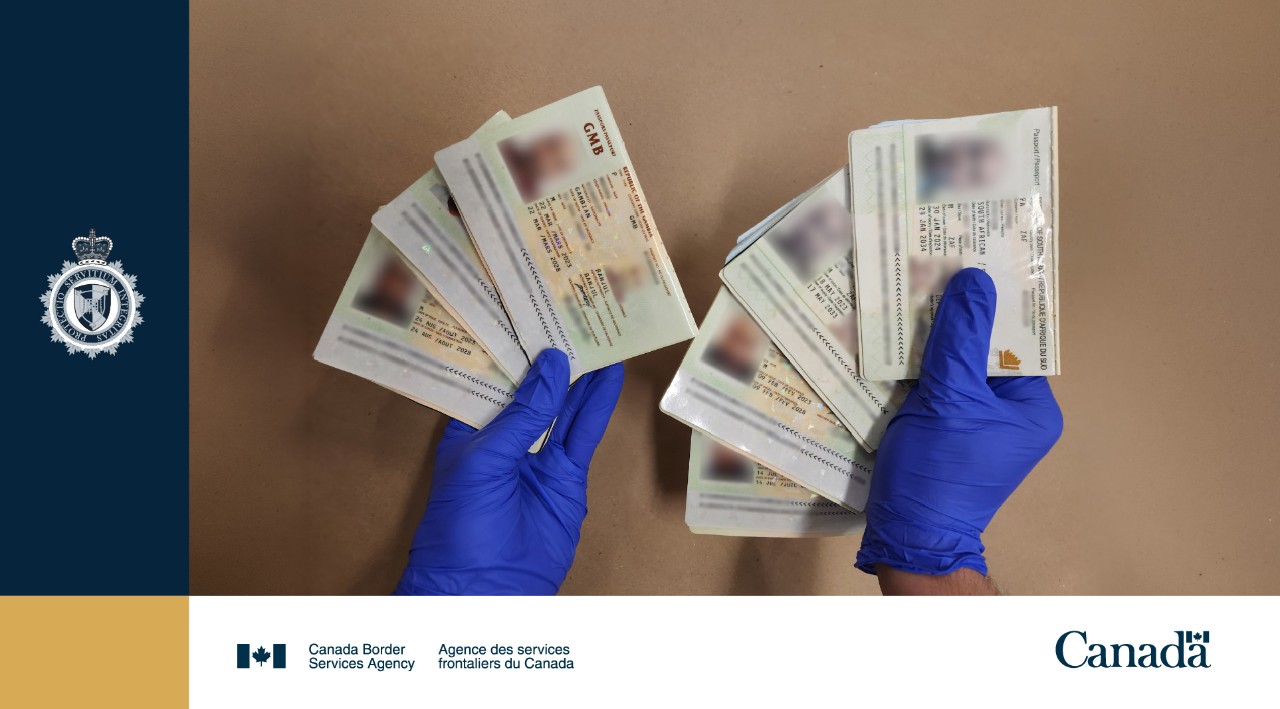
The Canada Border Services Agency is replacing its Remote Area Border Crossing Program with a telephone reporting system.
Article content
The RABC program involves travel permits that allow travellers to enter Canada through remote areas that cross the Canada-U.S. border. However, the telephone reporting system has yet to be fully launched. This week the CBSA extended the RABC program for the third time in less than a year.
In an August 10 statement, the CBSA said RABC permits will be extended to Nov. 30, 2026. They cover several remote areas, including: the Northwest Angle Area, Pigeon River through to and including Lake of the Woods, the Canadian shore of Lake Superior, the Sault Ste. Marie upper lock system and Cockburn Island.
As of Dec 1, all travellers entering Canada through these remote areas will be required to report to the CBSA at a port of entry or a designated telephone reporting site.
Article content
National Post has contacted the CBSA for more details about the planned sites.
Article content
The CBSA has said in the past that the telephone reporting will build on processes already in place across Canada and ensure “a consistent level of security” with expectations of compliance. The CBSA also suggests it will be equal to U.S. Customs and Border Protection measures, used when entering the U.S. via remote areas.
Article content
These changes will primarily impact Americans, who make up 90 per cent of the approximately 11,000 RABC annual members, according to the CBSA.
Article content
Permit holders have not needed to present themselves in person at a port of entry. However, they must declare any goods they are bringing into Canada. Applying for a RABC Program permit requires the applicant to be a citizen or permanent resident of Canada or the U.S.